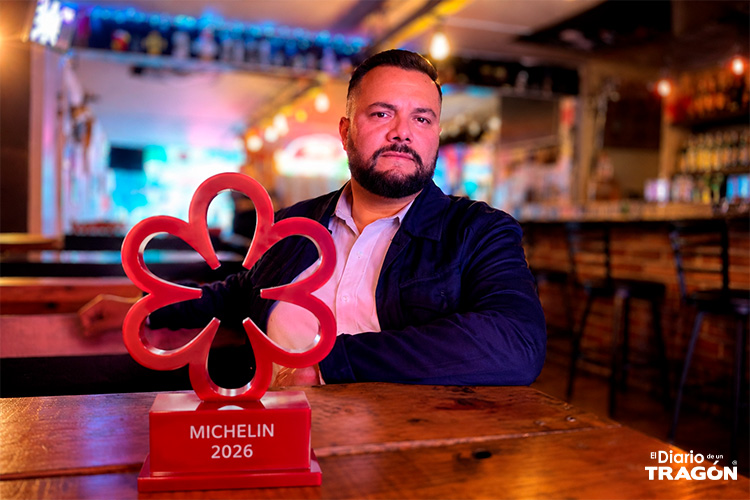
Mexican gastronomy is living one of the most important moments in its contemporary history. After decades of being recognized as one of the most influential cuisines in the world, the famous Michelin Guide officially arrived in Mexico in 2024, marking a before and after for the country’s restaurant industry.
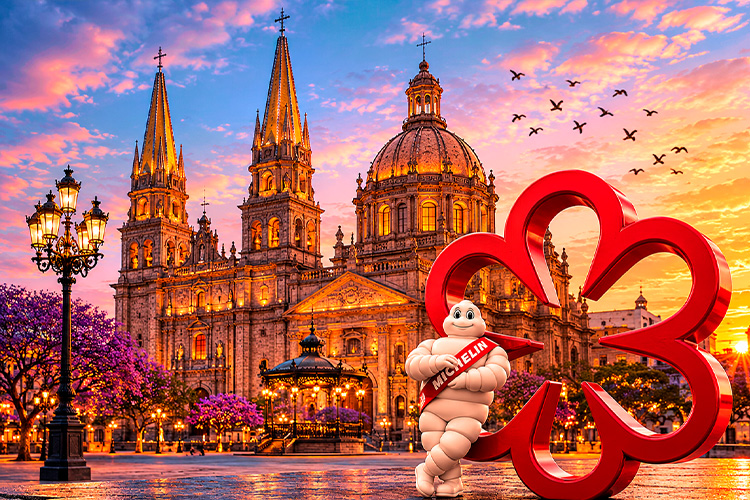
Now, in 2026, Guadalajara will host the highly anticipated Michelin Guide Mexico ceremony, placing Jalisco at the center of the international culinary conversation.
But this announcement also raises an inevitable question:
Why had one of Mexico’s most important gastronomic states been left out of the Michelin conversation until now?
What Is the Michelin Guide?
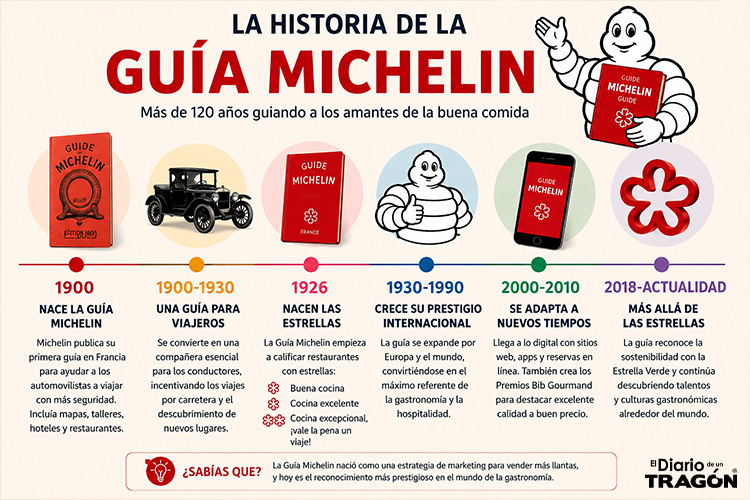
The Michelin Guide was born in France in 1900, created by the Michelin tire company. Yes, literally a guide designed to encourage people to travel… and wear out more tires.
Over time, it evolved into the most prestigious gastronomic rating system in the world.
Its famous Michelin stars reward culinary excellence based on criteria such as:
- Quality of ingredients
- Culinary technique
- Harmony of flavors
- The chef’s personality reflected in the dishes
- Consistency of the dining experience
In addition to stars, the guide also recognizes restaurants with excellent value through the Bib Gourmand category and highlights sustainability efforts with the Green Star distinction.
Receiving a Michelin star can completely transform a restaurant’s future, increasing reservations, gastronomic tourism, international visibility, and, of course, prestige.
Michelin’s Arrival in Mexico
Although Mexico has long been considered a global culinary powerhouse, the first official Michelin Guide Mexico edition arrived only in 2024.
The initial selection included regions such as Mexico City, Oaxaca, Nuevo León, Baja California, Baja California Sur, and Quintana Roo.
That first edition recognized 157 restaurants, including:
- 16 restaurants awarded one Michelin star
- 2 restaurants awarded two Michelin stars
- 42 Bib Gourmand restaurants
- 6 Green Stars for sustainability
The impact was immediate. Mexican restaurants gained even greater international attention, and the country’s gastronomic conversation became more global than ever.
So… Why Was Jalisco Missing?
And here comes the uncomfortable topic.
Talking about Mexican gastronomy without mentioning Jalisco feels absurd. This is the state that gave the world cultural and culinary icons such as tequila, birria, tortas ahogadas, carne en su jugo, and a deeply rooted food culture that blends popular cuisine, fine dining, and regional identity.
Yet in Michelin’s first Mexico edition, Jalisco was simply absent.
For many, this omission felt strange, especially considering Guadalajara’s enormous culinary growth over the past decade, with restaurants constantly appearing on national and international rankings.
The most likely explanation is not necessarily a lack of culinary level, but rather Michelin’s territorial expansion strategy. The guide usually enters new countries gradually before expanding coverage into more regions.
Still, for much of Guadalajara’s culinary scene, the absence felt like an unresolved debt.
And perhaps that is exactly why the announcement that Guadalajara will host the Michelin Guide Mexico Gala in 2026 feels so symbolic.
Guadalajara 2026: More Than an Awards Ceremony
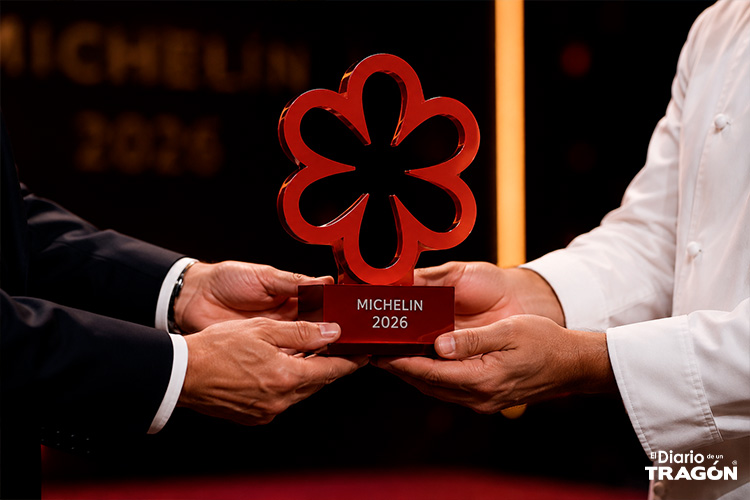
The ceremony taking place on May 20, 2026, in Guadalajara is not just another gala filled with chefs and elegant restaurants.
It represents international validation for an entire gastronomic region.
Expectations are huge because everything suggests that Jalisco restaurants could finally enter the Michelin selection officially.
And this is where the conversation becomes especially interesting.
Because beyond fine dining, Michelin has also shown interest in street food and popular cuisine. The case of taquería El Califa de León in Mexico City — which earned a Michelin star in 2024 — proved that the guide is not only searching for luxury, but also identity, technique, and consistency.
That opens the door to a fascinating possibility:
Could Jalisco receive recognition not only for its high-end restaurants, but also for its traditional cuisine?
Foodies and chefs have already started making predictions. On social media and in gastronomic communities, many point to restaurants like Alcalde, Xokol, or Bruna as strong contenders, while others dream that the real surprise could come from a humble fonda, a cenaduría, or even a legendary torta ahogada stand.
What’s Really at Stake
Beyond the stars themselves, Michelin could represent something even bigger for Jalisco: officially consolidating itself as an international gastronomic capital.
The tourism, media attention, and investment generated by the guide could transform Guadalajara’s restaurant scene for years to come.
But there is also a challenge: preserving authenticity in the process.
Because what truly makes Jalisco’s cuisine unique is not only technical sophistication, but its popular soul — its markets, street stalls, family-run eateries, bold flavors, and its ability to turn something seemingly simple into a memorable experience.
Perhaps Guadalajara’s real victory in 2026 will not simply be earning Michelin stars… but proving that world-class Mexican cuisine can also speak with a Tapatío accent.